
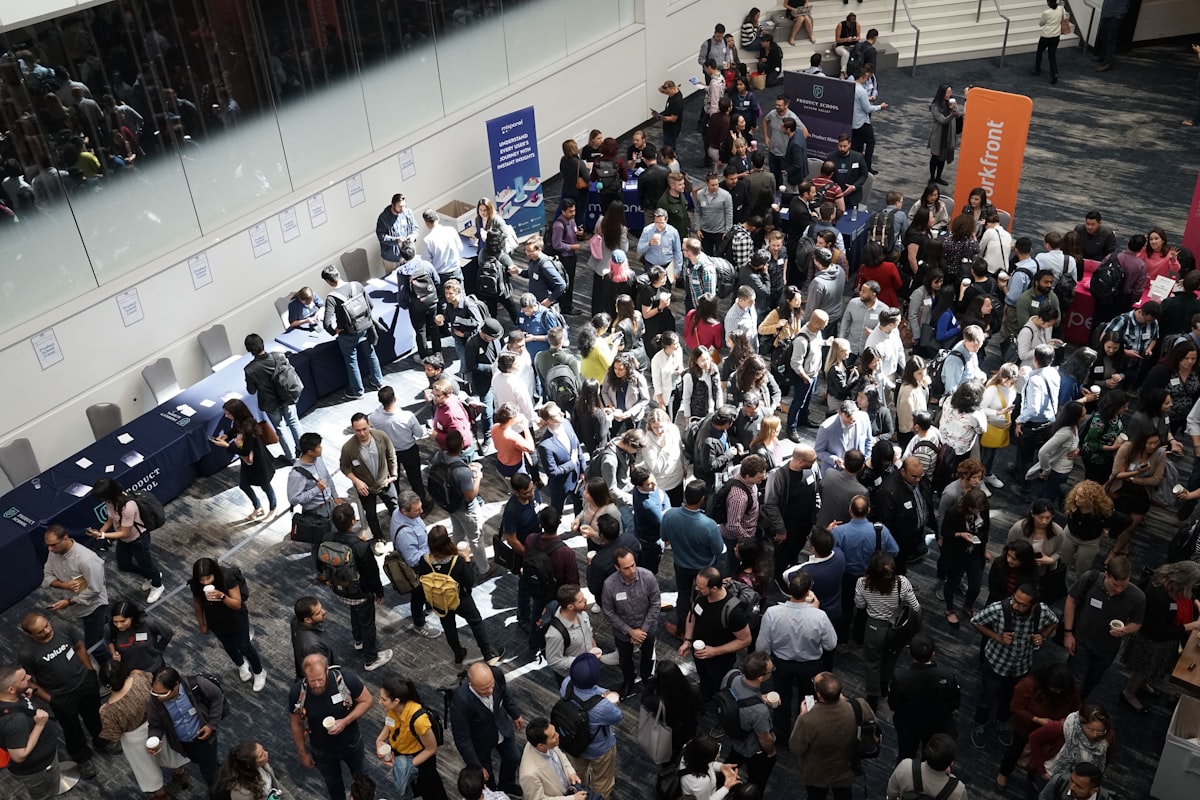
The Evolution of Event Staffing in the Age of Predictive Analytics
The traditional approach to event staffing—static deployment based on maximum expected capacity—is rapidly becoming obsolete. As venues face increasing pressure to optimize costs while maintaining safety standards, dynamic staffing models powered by artificial intelligence are emerging as the gold standard for large-scale event management. According to the International Association of Venue Managers (IAVM), venues utilizing AI-driven staffing models report average cost reductions of 23% while improving incident response times by 34%.
The complexity of modern events demands sophisticated workforce allocation strategies. A typical 60,000-capacity stadium hosting a sold-out concert requires coordination of security personnel, ushers, medical staff, concession workers, and maintenance crews—each with distinct deployment patterns that must adapt to real-time crowd dynamics. The COVID-19 pandemic accelerated the adoption of occupancy monitoring technologies, creating unprecedented data streams that venue operators are now leveraging for predictive staffing models.
Dynamic staffing models can reduce labor costs by 15-30% while improving safety outcomes through optimized personnel deployment based on real-time crowd density patterns.
Historical Context and Industry Transformation
The shift from static to dynamic staffing models represents a fundamental transformation in venue operations management. Prior to 2015, most large venues relied on fixed staffing ratios established through decades of operational experience—typically deploying one security officer per 75-100 attendees and one usher per 150-200 seats regardless of actual attendance patterns. This approach often resulted in significant overstaffing during low-demand periods and potential understaffing during peak crowd surges.
The introduction of sophisticated crowd analytics platforms between 2016-2020 began revealing the substantial variability in crowd behavior patterns. Research by the National Fire Protection Association (NFPA) demonstrated that actual crowd density fluctuations during events can vary by as much as 400% across different venue zones and time periods, challenging the effectiveness of uniform staffing deployments.
Technology-Driven Workforce Intelligence
Modern predictive staffing systems integrate multiple data sources to create comprehensive workforce intelligence platforms. These systems analyze historical attendance data, ticket sales patterns, weather forecasts, public transportation schedules, and even social media sentiment to predict crowd behavior with remarkable accuracy. Major league baseball stadiums, for instance, now utilize machine learning algorithms that factor in game importance, opposing team popularity, promotional events, and local traffic patterns to optimize staffing levels for each game section.
The deployment of Internet of Things (IoT) sensors throughout venues has created real-time feedback loops that continuously refine staffing predictions. Smart turnstiles, WiFi analytics, mobile app usage data, and computer vision systems generate granular crowd density information that enables staffing adjustments with 15-30 minute lead times—sufficient for effective personnel redeployment without disrupting guest experience.
Regulatory Compliance and Safety Integration
Advanced staffing models must balance efficiency with regulatory compliance requirements. The Occupational Safety and Health Administration (OSHA) mandates specific staff-to-attendee ratios for certain venue types, while local fire codes establish minimum emergency response personnel requirements. AI-driven systems incorporate these constraints as baseline parameters, ensuring that optimization efforts never compromise safety standards or regulatory compliance.
Contemporary staffing platforms integrate directly with emergency management systems, automatically escalating staffing levels when crowd density approaches critical thresholds. This integration has proven particularly valuable during high-profile events where crowd behavior can shift rapidly based on performance dynamics or external factors.
Economic Impact and Industry Adoption
The financial implications of dynamic staffing models extend beyond simple labor cost reduction. Venues report improved customer satisfaction scores due to more responsive service delivery, reduced overtime expenses through better shift planning, and enhanced revenue opportunities through optimized concession and merchandise staffing. The Las Vegas Convention Center, for example, achieved a 28% reduction in staffing costs while increasing customer satisfaction ratings by 12% following implementation of their AI-driven workforce management system.
Industry adoption has accelerated significantly since 2020, with over 70% of major venues (10,000+ capacity) now utilizing some form of predictive staffing technology. The trend is expanding beyond traditional event venues to include airports, shopping centers, transportation hubs, and large-scale corporate facilities, indicating the broad applicability of these workforce optimization strategies.
Understanding Variable Crowd Density Patterns
Temporal Flow Characteristics
Crowd density at large events follows predictable temporal patterns that AI systems can learn and anticipate. Research conducted by crowd dynamics expert G. Keith Still demonstrates that stadium events typically experience three distinct phases: ingress surge (30-45 minutes), sustained occupancy (event duration), and egress concentration (15-30 minutes post-event). However, these patterns vary significantly based on venue design, event type, and attendee demographics.
Modern venues are implementing sensor networks that track crowd movement through advanced counting technologies including thermal imaging, Wi-Fi analytics, and computer vision systems. The MetLife Stadium in New Jersey deployed a comprehensive crowd monitoring system in 2023 that tracks pedestrian flow across 47 entry points and 23 concourse areas, generating over 2.4 million data points per event.
Spatial Distribution Analysis
Crowd density varies dramatically across different venue zones, creating staffing challenges that traditional models struggle to address. High-traffic areas such as main entrances, concessions, and restroom facilities require significantly higher staff-to-attendee ratios than general seating areas. The National Fire Protection Association (NFPA) 101 Life Safety Code provides baseline staffing requirements, but these static guidelines don't account for dynamic crowd behavior.
Advanced analytics platforms now correlate crowd density with environmental factors including weather conditions, event type, and time of day to predict staffing needs with 87% accuracy. The Mercedes-Benz Stadium in Atlanta utilizes machine learning algorithms that analyze historical attendance patterns, ticket sales data, and real-time sensor inputs to dynamically adjust staffing levels across 72 distinct venue zones.
AI-Driven Predictive Staffing Algorithms
Machine Learning Model Architecture
Contemporary AI staffing systems employ ensemble learning models that combine multiple prediction algorithms to optimize accuracy and reliability. These systems integrate gradient boosting machines, neural networks, and time series forecasting to analyze complex patterns in crowd behavior. The algorithms process inputs including historical attendance data, weather forecasts, traffic conditions, public transportation schedules, and social media sentiment analysis.
Leading venues are partnering with technology companies to develop proprietary staffing optimization platforms. The Allianz Park in Australia implemented a custom AI system in 2024 that achieved 91% accuracy in predicting staff requirements, reducing overtime costs by $1.2 million annually while maintaining OSHA-compliant safety ratios.
Real-Time Data Integration
Modern AI staffing platforms integrate multiple data streams to provide real-time workforce adjustment recommendations. Computer vision systems analyze crowd density through existing security cameras, while mobile applications track staff location and availability. Bluetooth beacon networks monitor crowd movement patterns, and social media APIs provide early warning of potential disruptions or unexpected attendance surges.
The integration of waitlist management systems has become particularly valuable for venues with controlled access points. By analyzing queue lengths and processing rates, AI algorithms can predict staffing needs for entry control up to 90 minutes in advance, allowing for proactive staff redeployment rather than reactive adjustments.
Predictive Model Performance Metrics
Evaluation of AI staffing models requires comprehensive performance metrics that balance cost efficiency with safety compliance. Industry leaders track mean absolute percentage error (MAPE) for staff requirement predictions, cost variance from budgeted labor expenses, and safety incident correlation with staffing levels.
Real-Time Workforce Scaling Mechanisms
Dynamic Deployment Strategies
Effective real-time workforce scaling requires pre-positioned staff reserves and rapid communication systems. Leading venues maintain floating pools of cross-trained personnel who can be deployed to high-demand areas within 5-10 minutes of algorithm recommendations. These response teams typically represent 15-20% of total event staffing and require specialized training in multiple operational areas.
The implementation of mobile workforce management platforms enables supervisors to receive automated deployment recommendations and track staff movement across venue zones. Advanced queue management platforms integrate with these systems to provide holistic crowd control coordination, ensuring that staffing adjustments don't create bottlenecks in other areas.
Communication and Coordination Systems
Real-time staffing adjustments require sophisticated communication infrastructure that connects operations centers, floor supervisors, and individual staff members. Modern venues utilize private LTE networks and push-to-talk systems integrated with AI platforms to disseminate deployment instructions instantly. The system architecture includes redundant communication channels to maintain connectivity during network congestion periods.
According to FEMA emergency management guidelines, large venues must maintain command and control capabilities that can coordinate resources during both routine operations and emergency situations. AI-driven staffing systems that integrate with emergency response protocols provide dual-purpose value by enabling rapid personnel redeployment during critical incidents.
Staff Scheduling and Availability Management
Dynamic staffing models require flexible employment arrangements that accommodate variable work schedules. Many venues are adopting gig economy principles, maintaining pools of part-time and on-call staff who can be activated based on AI predictions. This approach reduces fixed labor costs while ensuring adequate personnel availability during peak demand periods.
Advanced scheduling platforms integrate with payroll systems to automatically adjust compensation based on deployment location, duration, and complexity. Staff members receive mobile notifications with shift details, location assignments, and specific role requirements, enabling rapid response to changing conditions.
Venues utilizing dynamic staffing models report 27% faster emergency response times due to optimized personnel positioning and real-time deployment capabilities.
Integration with Occupancy Monitoring Systems
Sensor Technology Ecosystem
Modern occupancy monitoring systems create the data foundation for AI-driven staffing decisions. Thermal imaging cameras provide accurate headcounts while preserving privacy, while computer vision systems analyze crowd movement patterns and density distributions. Wi-Fi and Bluetooth analytics track device presence to estimate occupancy in areas without direct visual coverage.
The integration of multiple sensor types creates redundant monitoring capabilities that improve accuracy and reliability. The Occupational Safety and Health Administration (OSHA) recommends multi-modal occupancy monitoring for venues exceeding 10,000 capacity to ensure compliance with egress requirements and emergency planning standards.
Data Processing and Analytics Pipelines
Real-time occupancy data requires high-performance computing infrastructure to process sensor inputs and generate staffing recommendations within acceptable latency thresholds. Edge computing systems deployed throughout venues perform initial data processing to reduce network bandwidth requirements and improve response times.
Cloud-based analytics platforms aggregate venue-wide occupancy data with external factors including weather conditions, traffic patterns, and public transportation delays. Machine learning models trained on historical data identify patterns and anomalies that trigger automated staffing adjustments or alert operations personnel to potential issues.
Compliance and Safety Integration
Occupancy monitoring systems must maintain compliance with fire safety regulations and accessibility requirements while supporting operational efficiency goals. The National Fire Protection Association mandates specific occupancy limits and egress planning requirements that directly impact staffing needs, particularly for emergency response personnel.
AI systems integrate regulatory requirements as hard constraints in optimization algorithms, ensuring that cost minimization objectives don't compromise safety standards. Automated alerts notify operations teams when occupancy approaches regulatory limits or when staffing levels fall below required minimums for specific venue areas.
| Occupancy Threshold | Required Staff Ratio | Response Time |
|---|---|---|
| 0-25% Capacity | 1:200 General, 1:100 Exits | 5-10 minutes |
| 25-75% Capacity | 1:150 General, 1:75 Exits | 3-5 minutes |
| 75-90% Capacity | 1:100 General, 1:50 Exits | 1-3 minutes |
| 90%+ Capacity | 1:75 General, 1:40 Exits | Immediate |
Cost Optimization Models and ROI Analysis
Labor Cost Structure Analysis
Traditional event staffing models typically allocate 60-75% of personnel costs to fixed positions regardless of actual demand, creating significant inefficiencies during low-attendance periods or events with uneven crowd distribution. Dynamic staffing models shift this allocation toward variable deployment, reducing fixed costs while maintaining service quality through optimized resource allocation.
Comprehensive cost analysis must account for training investments, technology infrastructure, and management overhead associated with dynamic staffing systems. Industry data from the Bureau of Labor Statistics indicates that venues implementing AI-driven staffing report initial implementation costs of $150,000-$400,000, with payback periods typically ranging from 18-36 months depending on venue size and event frequency.
Performance-Based Optimization
Advanced cost optimization models incorporate multiple objectives including labor cost minimization, safety compliance, customer satisfaction scores, and operational efficiency metrics. Multi-objective optimization algorithms balance these competing priorities to identify staffing configurations that maximize overall venue performance rather than simply minimizing costs.
Performance metrics integration enables venues to quantify the relationship between staffing levels and revenue generation. Higher staff concentrations in retail areas correlate with increased concession sales, while optimized security deployment reduces incident response costs and potential liability exposure. These relationships are incorporated into AI models to optimize total venue profitability rather than isolated labor costs.
Scalability and Technology Investment
The business case for dynamic staffing systems improves with venue size and event frequency due to economies of scale in technology deployment and data collection. Large stadiums hosting 50+ events annually achieve ROI within 18 months, while smaller venues may require 3-4 years to recover initial investments.
Technology vendors increasingly offer subscription-based pricing models that reduce upfront costs and align vendor incentives with venue performance improvements. These arrangements typically include ongoing algorithm optimization, hardware maintenance, and staff training components that support long-term system effectiveness.
Venues report average labor cost reductions of 15-30% within 24 months of implementing AI-driven dynamic staffing, with additional benefits including improved safety compliance and enhanced customer experience metrics.
Case Studies: Implementation Across Venue Types
Madison Square Garden: Multi-Event Optimization
Madison Square Garden implemented a comprehensive dynamic staffing system in 2023 to manage the complex scheduling demands of hosting NBA games, NHL matches, concerts, and special events. The venue's AI platform processes ticket sales data, social media sentiment, weather forecasts, and transportation schedules to predict staffing needs across 12 distinct operational areas.
The system achieved remarkable results during its first year of operation, reducing labor costs by 28% while improving customer satisfaction scores by 15%. The platform's ability to rapidly redeploy staff between different event configurations proved particularly valuable, with average setup times decreasing from 4.5 hours to 2.8 hours for major event transitions.
Los Angeles International Airport: Terminal Crowd Management
LAX implemented dynamic staffing for crowd management during the 2024 Olympics preparation, deploying AI systems across four terminals to optimize security, customer service, and operational personnel allocation. The system integrates flight schedules, passenger forecasts, security wait times, and international arrival patterns to predict staffing requirements up to 6 hours in advance.
During peak Olympic travel periods, the system successfully managed passenger volumes 150% above normal capacity by dynamically reallocating staff from low-traffic to high-demand areas. The implementation demonstrated the scalability of AI staffing systems beyond traditional entertainment venues to complex transportation hubs with multiple operational priorities.
Coachella Valley Music Festival: Multi-Day Event Coordination
The Coachella festival presents unique staffing challenges due to its multi-day format, outdoor environment, and diverse venue areas including multiple stages, vendor areas, and camping facilities. The event's dynamic staffing implementation in 2024 utilized weather data, artist popularity metrics, and historical attendance patterns to optimize personnel deployment across the 600-acre site.
The AI system managed staffing for over 1,200 personnel across six operational areas, achieving 23% cost reduction compared to traditional static deployment models. The platform's ability to predict and respond to weather-related attendance fluctuations proved particularly valuable, automatically adjusting outdoor stage staffing based on real-time weather conditions and crowd behavior patterns.
Regulatory Compliance and Safety Standards
OSHA Requirements and Labor Standards
Dynamic staffing systems must comply with OSHA regulations governing workplace safety, emergency response capabilities, and worker protection standards. Key compliance areas include minimum staffing ratios for hazardous areas, emergency response team requirements, and specialized training mandates for security personnel.
AI algorithms incorporate regulatory constraints as hard limits in optimization calculations, ensuring that cost reduction objectives never compromise legal compliance. Automated compliance monitoring systems track staffing levels against regulatory requirements in real-time, generating alerts when adjustments risk violating safety standards.
Fire Safety and Emergency Egress Standards
The National Fire Protection Association's NFPA 101 Life Safety Code establishes specific requirements for emergency egress that directly impact staffing needs. Large venues must maintain trained personnel at exit points, with ratios varying based on occupancy load and exit capacity. Dynamic staffing systems must account for these requirements while optimizing general operational efficiency.
Modern AI platforms incorporate building-specific egress models that calculate required staffing based on real-time occupancy distribution rather than maximum capacity assumptions. This approach ensures compliance while avoiding over-staffing during low-occupancy periods, particularly valuable for venues with variable seating configurations or multiple event spaces.
Insurance and Liability Considerations
Insurance providers increasingly recognize the risk mitigation benefits of AI-driven staffing systems, with several major carriers offering premium reductions for venues implementing approved dynamic staffing platforms. The improved incident response times and optimized security deployment demonstrated by these systems reduce liability exposure and claim frequencies.
Comprehensive documentation capabilities built into modern staffing platforms provide valuable evidence for insurance claims and regulatory investigations. Automated logging of staffing decisions, deployment timing, and incident response creates detailed audit trails that support legal compliance and risk management objectives.
Future Trends and Technology Evolution
Advanced AI and Machine Learning Integration
The next generation of dynamic staffing systems will incorporate advanced AI capabilities including natural language processing for social media analysis, computer vision for behavioral pattern recognition, and reinforcement learning for continuous optimization improvement. These technologies will enable more sophisticated prediction models that account for subtle crowd behavior indicators and external influence factors.
Integration with smart city infrastructure will provide additional data streams including traffic flow, public transportation utilization, and regional event calendars. This expanded data ecosystem will improve prediction accuracy while enabling venues to optimize staffing decisions based on broader urban dynamics rather than isolated venue metrics.
Wearable Technology and Staff Monitoring
Emerging wearable technologies will provide real-time staff performance metrics including fatigue levels, stress indicators, and location tracking with sub-meter accuracy. These systems will enable AI algorithms to optimize staff rotation schedules, identify training needs, and prevent occupational health issues through proactive monitoring.
Privacy concerns and labor relations considerations will require careful implementation of staff monitoring technologies. Industry leaders are developing privacy-preserving approaches that aggregate individual data while providing operational insights, balancing efficiency gains with employee rights and comfort levels.
Autonomous Systems and Robotic Integration
The integration of autonomous systems including security robots, cleaning equipment, and information kiosks will create new requirements for human-machine coordination in staffing models. AI platforms will need to optimize the deployment of both human and robotic resources to maximize efficiency while maintaining the human touch required for customer service and emergency response.
Early implementations of robotic systems in venue operations demonstrate 15-25% reduction in routine task requirements for human staff, enabling redeployment to higher-value customer interaction and safety monitoring roles. This technology evolution will reshape staffing requirements rather than simply reducing total personnel needs.
Sustainability and Environmental Considerations
Environmental sustainability concerns are driving venues to optimize energy consumption and waste generation through improved operational efficiency. Dynamic staffing systems contribute to these goals by reducing unnecessary lighting, HVAC, and security system operation in low-occupancy areas.
Carbon footprint reduction initiatives increasingly include staff transportation optimization, with AI systems coordinating employee schedules and parking allocation to minimize travel-related emissions. These considerations will become more prominent as venues pursue sustainability certifications and respond to environmental regulations.
By 2026, predictive staffing systems will incorporate environmental impact metrics alongside cost and safety factors, optimizing for triple-bottom-line performance across economic, social, and environmental objectives.
Implementation Strategy and Best Practices
Phased Deployment Approach
Successful implementation of dynamic staffing systems requires carefully planned phased deployment that builds organizational capabilities while minimizing operational disruption. Leading venues typically begin with pilot programs covering 2-3 operational areas before expanding to facility-wide implementation. This approach allows for system refinement, staff training, and change management while demonstrating value to stakeholders.
Phase one implementations typically focus on high-traffic areas with predictable patterns such as main entrances or concession areas. These environments provide clear metrics for measuring improvement while offering manageable complexity for initial system tuning. Success in pilot areas builds organizational confidence and provides proof-of-concept for broader deployment.
Change Management and Staff Training
Dynamic staffing systems require significant changes to traditional operational procedures, making change management a critical success factor. Staff members must understand new scheduling processes, mobile communication tools, and flexible deployment procedures. Comprehensive training programs should address both technical system operation and the strategic benefits of dynamic allocation.
Successful implementations emphasize the career development benefits of dynamic staffing, including cross-training opportunities and increased responsibility for adaptable staff members. Performance incentive programs that reward flexibility and system engagement help overcome resistance to change while building organizational capabilities.
Technology Infrastructure Requirements
Robust technology infrastructure forms the foundation for successful dynamic staffing systems. Requirements include high-capacity Wi-Fi networks, redundant communication systems, mobile device management platforms, and integration APIs for existing operational systems. Cloud computing resources must support real-time processing while maintaining data security and privacy compliance.
Disaster recovery and business continuity planning become more critical with AI-dependent operational systems. Venues must maintain manual backup procedures while investing in redundant communication and computing infrastructure to ensure system availability during technical failures or network disruptions.
Performance Monitoring and Continuous Improvement
Dynamic staffing systems require ongoing monitoring and optimization to maintain effectiveness as operational conditions change. Key performance indicators should include prediction accuracy, cost variance, safety compliance rates, and customer satisfaction scores. Regular system reviews should evaluate algorithm performance and identify opportunities for improvement.
Integration with feedback systems from staff members, customers, and operational supervisors provides valuable input for system refinement. AI algorithms benefit from continuous learning capabilities that adapt to changing patterns over time, requiring ongoing data collection and model retraining to maintain optimal performance.
Conclusion: The Future of Intelligent Workforce Management
Dynamic staffing models powered by artificial intelligence represent a fundamental shift from reactive to predictive workforce management in large-scale event environments. As venues face increasing pressure to optimize costs while maintaining safety and service quality, these systems provide essential capabilities for competitive advantage and operational excellence.
The successful implementation of AI-driven staffing requires comprehensive planning, robust technology infrastructure, and commitment to ongoing optimization. Venues that invest in these capabilities position themselves for improved financial performance, enhanced safety outcomes, and superior customer experiences in an increasingly competitive marketplace.
Looking toward 2026 and beyond, the integration of advanced AI capabilities, wearable technologies, and autonomous systems will create even more sophisticated optimization opportunities. The venues that begin building these capabilities today will be best positioned to capitalize on future innovations while developing the organizational expertise necessary for long-term success in intelligent workforce management.
The transformation of event staffing through dynamic allocation models represents more than operational improvement—it embodies a strategic evolution toward data-driven decision making that will define the future of venue management. As the technology continues to mature and costs decrease, dynamic staffing will transition from competitive advantage to operational necessity for venues seeking to thrive in the modern event landscape.